What is Figma
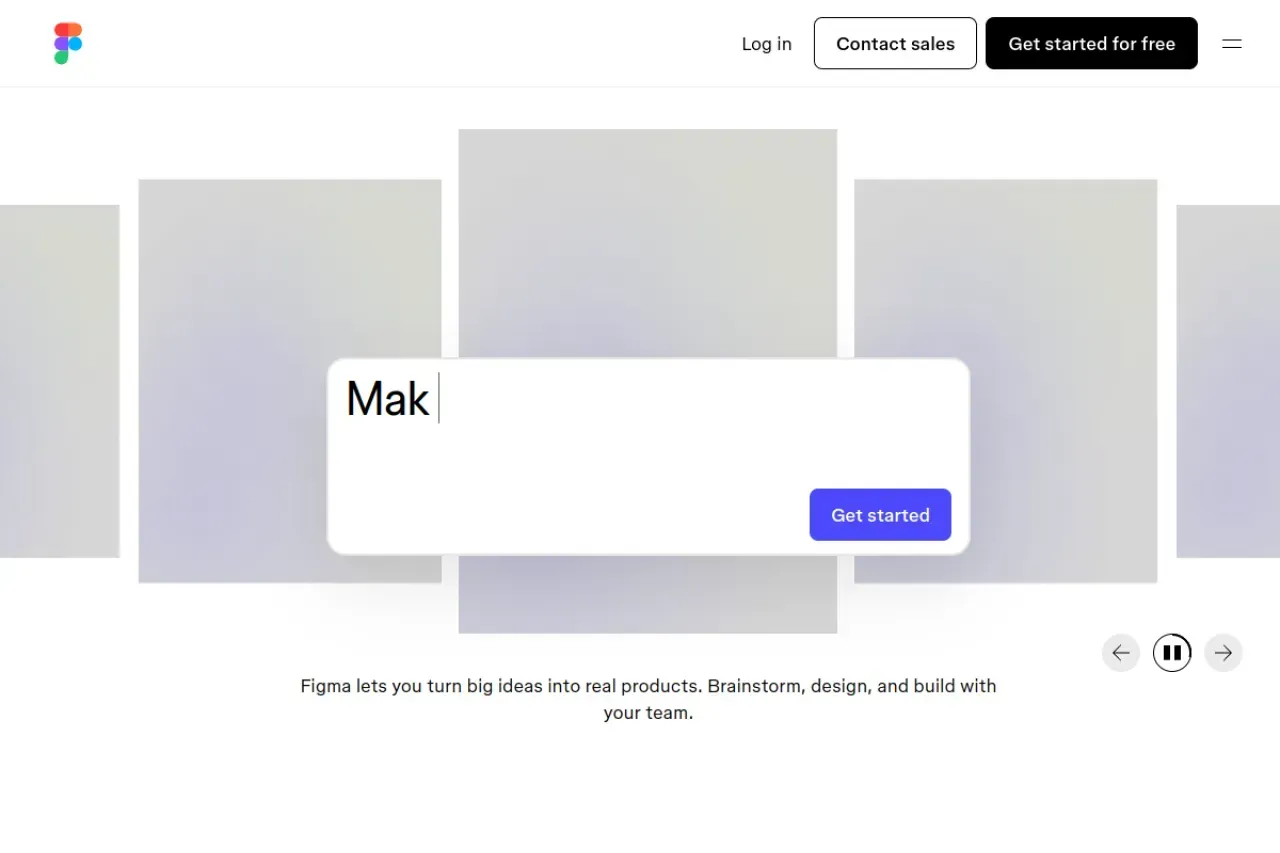
Figma is the leading collaborative design platform for building meaningful products. According to the official website, it enables design, prototyping, and building products faster while gathering feedback in a single environment. As a cloud-based tool, Figma has fundamentally transformed how teams collaborate on digital interfaces.
Core Features
The main strength of Figma lies in real-time multiplayer editing. Multiple people can work on the same file simultaneously, see each other's changes instantly, and leave comments. The platform provides powerful vector design tools, components, Auto Layout, Variants, interactive prototypes with animations and transitions.
Figma Dev Mode helps developers inspect designs, extract CSS, Swift or Kotlin code, measure spacing, and work with design systems efficiently. The tool also supports an extensive plugin ecosystem and numerous integrations.
Practical Use Cases
Figma is widely used for creating mobile and web interfaces, building design systems, running design sprints, creating wireframes, and producing high-fidelity interactive prototypes. Both startups and large enterprises rely on it for rapid product iteration, stakeholder feedback collection, and seamless handoff to development teams.
Pricing and Availability
Figma offers a generous free Starter plan with unlimited projects for individuals and small teams. Professional, Organization, and Enterprise plans unlock advanced features including unlimited version history, advanced permissions, analytics, SSO, and dedicated support.
Pros and Cons
Pros: outstanding real-time collaboration, cross-platform accessibility, modern interface, rich plugin ecosystem, and powerful Dev Mode. Cons: requires stable internet connection, and very complex 3D or extremely large design systems may need supplementary tools.
Today Figma has become the industry standard for UI/UX design by uniting entire product teams in one collaborative workspace.